Categories: Machine knowledge
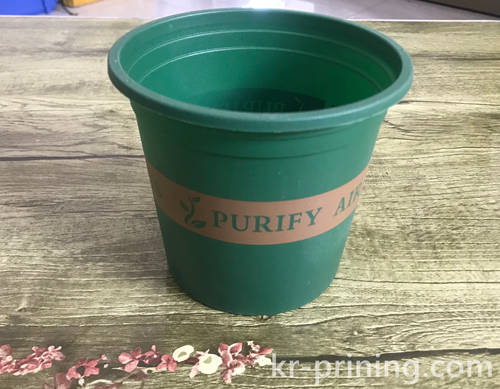
Screen printing (also known as silkscreen printing) is a versatile printing technique that uses a mesh screen, ink, and a squeegee to transfer designs onto various surfaces. It is valued for its ability to produce bold, vibrant, and durable prints on a wide range of materials, from paper and fabric to metal, plastic, and glass.
Core Principles of Screen Printing
At its heart, screen printing relies on a stencil (created on a mesh screen) to control where ink is deposited. Areas of the screen not part of the design are blocked, allowing ink to pass through only the open (unblocked) sections onto the substrate (the material being printed).
Key Components
- Mesh Screen: Typically made of polyester or nylon (historically silk, hence “silkscreen”), stretched tightly over a wooden or aluminum frame. The mesh’s thickness and thread count determine ink flow and detail precision.
- Stencil: A pattern or design applied to the screen, blocking ink from passing through non-design areas. Stencils can be created using various methods (see below).
- Ink: Specialized inks (water-based, solvent-based, UV-curable, etc.) tailored to the substrate (e.g., fabric ink for textiles, enamel ink for metal).
- Squeegee: A rubber blade used to pull or push ink across the screen, forcing it through the mesh onto the substrate.
- Substrate: The material being printed (e.g., t-shirts, posters, mugs, signs).
How Screen Printing Works: A Step-by-Step Process
-
Design Preparation: The desired design is digitized or created manually. For multi-color prints, separate designs (one per color) are prepared.
-
Stencil Creation: The design is transferred onto the mesh screen to create a stencil. Common methods include:
- Emulsion Method: A light-sensitive emulsion is coated onto the screen, dried, and exposed to UV light with the design (on a transparent film) placed on top. The exposed emulsion hardens, while unexposed areas (the design) are washed away, leaving open mesh.
- Cut Film Method: A pre-made stencil (e.g., vinyl) is cut and adhered directly to the screen, blocking non-design areas.
- Direct Drawing: Using block-out fluids or paints to manually cover non-design areas of the screen.
-
Setup: The screen is mounted onto a printing press, and the substrate is positioned beneath it, aligned so the design prints in the correct location.
-
Inking and Printing:
- Ink is poured onto one end of the screen.
- The squeegee is pulled firmly across the screen, pushing ink through the open mesh (stencil) and onto the substrate.
- For multi-color designs, the process is repeated with separate screens (one per color), ensuring precise alignment (registration) between layers.
-
Drying/Curing: The printed substrate is dried or cured (using heat, air, or UV light) to set the ink, making it durable and resistant to fading or smudging.
Advantages of Screen Printing
- Vibrancy: Produces bold, opaque colors, even on dark or textured substrates.
- Durability: Ink sits on top of the substrate (rather than being absorbed), making prints resistant to wear, washing (for fabrics), and weather (for outdoor signs).
- Versatility: Works on almost any material (paper, fabric, metal, plastic, glass, wood) and in various sizes (from small labels to large banners).
- Cost-Effectiveness: Efficient for large print runs, as setup costs are spread across more items.
Common Applications
- Apparel: T-shirts, hoodies, and other clothing (especially with bold logos or designs).
- Signage: Posters, banners, and outdoor signs.
- Promotional Products: Mugs, water bottles, phone cases, and tote bags.
- Art and Crafts: Limited-edition prints, custom stickers, and DIY projects.
Screen printing’s combination of versatility, durability, and visual impact makes it a popular choice across industries, from fashion and advertising to art and manufacturing.