Categories: Machine knowledge
A hot stamping machine is a specialized industrial equipment used to apply decorative or functional designs, logos, text, or patterns onto various materials through a heat and pressure-based process called hot stamping (or in Chinese). This technique involves transferring a thin layer of metallic foil, pigmented foil, or holographic film onto a substrate (the material being decorated) using controlled heat and pressure.
Core Components of a Hot Stamping Machine
A typical hot stamping machine consists of several key components working together:
- Heating Plate/Die: A metal plate (often made of copper, brass, or steel) engraved with the desired design. It is heated to a specific temperature (usually 100–300°C, depending on the material).
- Foil Roll: A roll of thin foil (metallic, colored, or holographic) that carries the decorative layer. The foil is positioned between the heating die and the substrate.
- Pressure Mechanism: A system (hydraulic, pneumatic, or mechanical) that applies pressure to press the heated die against the foil and substrate, ensuring the foil adheres to the substrate.
- Substrate Feeding System: Conveys the material (substrate) through the machine, positioning it accurately under the die for stamping. This can be manual (for small-scale use) or automated (for mass production).
How Hot Stamping Works
The process follows these basic steps:
- The heating die is heated to the optimal temperature for the substrate and foil type.
- The substrate (e.g., paper, plastic, leather) is positioned under the die.
- A section of foil is fed between the die and the substrate.
- The die is pressed down onto the foil and substrate with controlled pressure.
- Heat from the die melts the adhesive layer on the foil, transferring the decorative layer (metal, pigment, etc.) from the foil to the substrate.
- The die is lifted, and the remaining foil (carrier sheet) is peeled away, leaving the stamped design on the substrate.
Common Applications
Hot stamping is widely used across industries for its ability to create high-quality, durable, and visually appealing designs. Typical applications include:
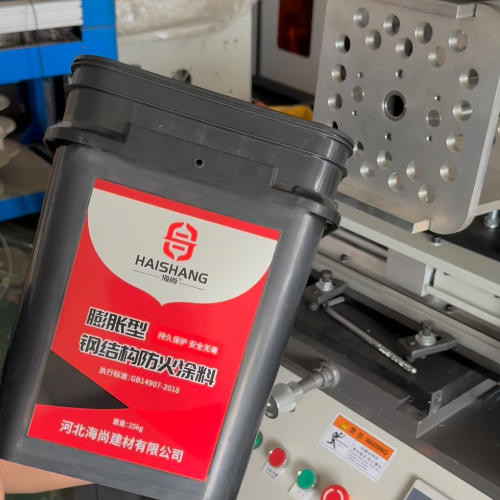
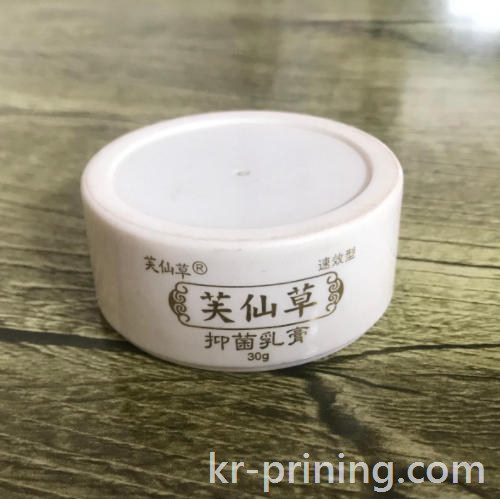
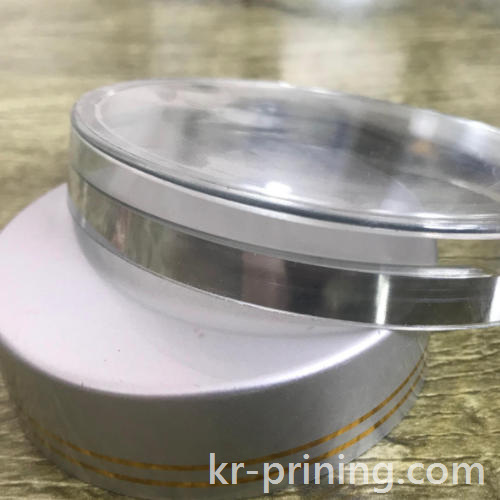
- Packaging: Decorating boxes (e.g., gift boxes, cosmetic packaging), labels, and cartons with metallic or glossy logos.
- Printing: Enhancing book covers, greeting cards, or invitations with gold/silver foil accents.
- Leather Goods: Stamping logos on leather wallets, bags, or belts.
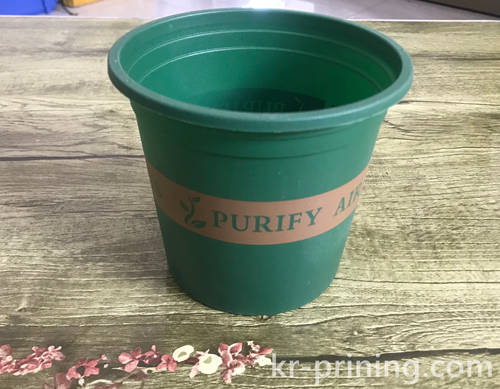
- Plastics: Decorating plastic products like phone cases, toys, or household items.
- Textiles: Adding metallic designs to fabrics (e.g., apparel, accessories).
Advantages of Hot Stamping
- Produces a premium, tactile finish (e.g., metallic sheen, raised or embossed effects).
- The stamped design is durable and resistant to wear, water, and fading.
- Works on a wide range of materials, including paper, plastic, leather, wood, and even some metals.
- Can be combined with other processes like embossing or debossing for 3D effects.
Types of Hot Stamping Machines
Machines vary by size, automation level, and purpose:
- Manual Machines: Small, tabletop devices for low-volume, hand-operated use (e.g., craft projects).
- Semi-Automatic Machines: Combine manual feeding with automated stamping, suitable for medium-scale production.
- Automatic Machines: Fully automated with conveyor systems, used in large-scale manufacturing for high-speed, consistent stamping.
In summary, hot stamping machines are versatile tools that use heat and pressure to transfer decorative foil onto materials, offering a cost-effective way to enhance products with professional, high-end finishes.