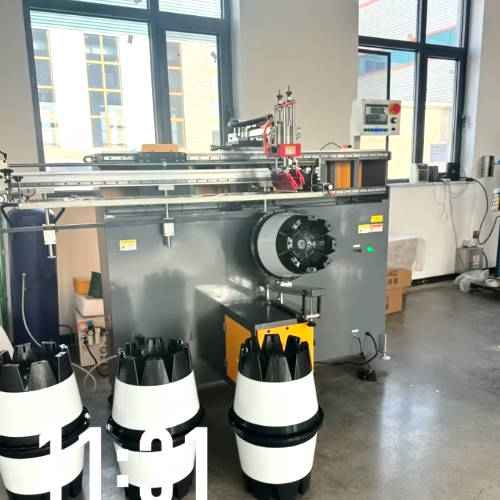
A heat transferring machine (also called a heat press machine) is a device used to apply designs, graphics, or patterns onto various substrates (materials) using controlled heat and pressure. It works by transferring pre-printed designs from a carrier medium (such as transfer paper or vinyl) onto the target material, creating a permanent bond. This technique is widely used in industries like apparel, promotional products, and custom manufacturing for its efficiency and versatility.
While designs vary by type and purpose, most heat transferring machines share these key parts:
- Heating Element/Platen: A flat, heated surface (often made of aluminum) that generates and distributes heat evenly. It comes in various sizes (e.g., small for mugs, large for t-shirts) and shapes (flat, curved, or cylindrical for irregular substrates like bottles).
- Pressure Mechanism: A system (manual, pneumatic, hydraulic, or electric) that applies consistent pressure to press the heating platen against the substrate and transfer medium.
- Temperature Control: A digital or analog thermostat to set and monitor the heating platen’s temperature (typically 100–220°C, depending on the material and ink type).
- Timer: Controls the duration of heat and pressure application (dwell time), ensuring the design bonds properly without damaging the substrate.
- Base/Work Surface: A stable platform to hold the substrate and transfer medium in place during the process.
The basic process involves three key variables: heat, pressure, and time. Here’s a step-by-step breakdown:
- Prepare the Design: The desired design is printed onto a transfer medium (e.g., heat transfer paper for fabrics, vinyl for hard surfaces) using compatible inks (e.g., sublimation inks, pigment inks).
- Position the Substrate and Transfer: The substrate (e.g., a t-shirt, mug, or phone case) is placed on the machine’s base. The transfer medium (with the design facing the substrate) is laid on top, aligned correctly.
- Set Parameters: The machine is adjusted for the specific substrate and transfer medium:
- Temperature: Determined by the substrate (e.g., cotton requires ~180–200°C; polyester ~150–170°C) and ink type (sublimation inks need higher temps).
- Pressure: Adjusted for substrate thickness (e.g., thicker fabrics need more pressure than thin paper).
- Time: Typically 10–60 seconds, depending on how long the ink needs to bond.
- Apply Heat and Pressure: The heating platen is lowered onto the transfer medium and substrate. Heat activates the ink or adhesive on the transfer medium, causing it to melt or vaporize and bond to the substrate.
- Cool and Peel: After the dwell time, the platen is lifted. The transfer medium is peeled away (either immediately or after cooling, depending on the ink type), leaving the design permanently on the substrate.
Machines are categorized by their design and intended use:
- Clamshell Heat Press: The platen opens like a clamshell, ideal for flat substrates (t-shirts, posters). Compact and space-efficient.
- Swing-Away Heat Press: The platen swings to the side, allowing full access to the base. Better for thick or bulky substrates (e.g., hoodies) and precise alignment.
- Roller Heat Press (Continuous Heat Press): Uses heated rollers to apply heat and pressure continuously. Suitable for large-scale production (e.g., fabric rolls, banners).
- Specialty Heat Presses: Designed for specific items, such as mug presses (curved platens), hat presses (rounded for crowns), or plate presses.
Heat transferring machines are used across industries for customizing products:
- Apparel: T-shirts, hats, jackets, and bags (using heat transfer paper or vinyl).
- Hard Goods: Mugs, phone cases, mousepads, plates, and metal signs.
- Fabrics: Banners, flags, and upholstery.
- Promotional Products: Customized gifts, company swag, and branded merchandise.
- Versatility: Works with a wide range of substrates (fabrics, plastics, ceramics, metals).
- Precision: Produces sharp, detailed designs with consistent results.
- Efficiency: Fast setup and operation, making it suitable for small batches or mass production.
- Cost-Effectiveness: Lower upfront costs compared to screen printing for small runs, with no need for multiple screens for multi-color designs.
In summary, heat transferring machines are essential tools for creating custom, high-quality prints on diverse materials, leveraging heat and pressure to bond pre-printed designs efficiently.